


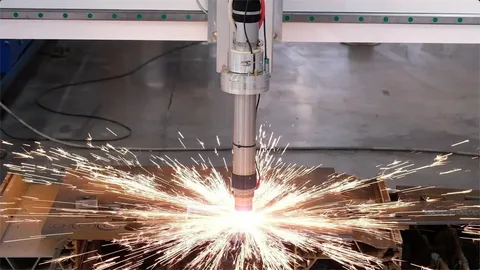
Output demands keep rising across fabrication shops, pushing teams to refine how they cut, shape, and move metal. A CNC plasma cutting machine meets those demands by pairing speed with controlled movement, giving shops a way to complete more work with fewer disruptions. Once a plasma cutter becomes part of the workflow, it often changes how efficiently an entire production line operates.
Faster Cutting Speeds That Boost Daily Output
Speed is one of the most noticeable advantages of CNC plasma cutting. The system drives the torch across the table at rates far faster than manual tools, producing clean cuts in a fraction of the time. This rapid movement allows shops to finish large batches to meet tight deadlines. The benefit grows when thickness varies. A CNC plasma cutter adapts power levels and feed rates to maintain high speed across different materials. Production teams gain the ability to keep jobs moving steadily without the slowdown that comes from switching between hand-operated cutting methods.
Repeatable Precision Cuts on Every Part Run
Accuracy is built into every programmed motion. Once a part file is created, the system repeats that pattern precisely with each run. This ensures all components match, regardless of batch size or operator skill. CNC companies near me often highlight this repeatability when helping shops streamline quality control. Digital control also reduces the inconsistencies seen with manual cutting. Programmed paths minimize operator error and keep tolerances tight. For production lines producing assemblies or matched sets, this reliable precision helps reduce rework and alignment issues.
Reduced Manual Labor Compared to Hand Cutting Methods
Manual cutting requires steady hands and constant attention. CNC systems replace that strain by automating motion and maintaining consistent output. Operators handle setup and oversight instead of long periods of physical cutting labor. This shift allows one worker to manage multiple tasks at once.
Improved safety accompanies reduced manual involvement. A CNC plasma cutting machine keeps operators further from heat, sparks, and fumes. Less manual cutting also lowers fatigue-related mistakes, giving production teams a safer, more productive workflow.
Minimal Setup Time Between Different Part Jobs
Job transitions often determine how productive a shop can be. CNC systems reduce this downtime by relying on digital files rather than complex tooling changes. Switching from one part design to another requires loading a new program and adjusting material placement—tasks that take minutes instead of lengthy manual adjustments. Efficient setup also encourages shops to take on mixed production orders. Whether cutting five pieces or fifty, the preparation time remains low. CNC companies near me often emphasize this flexibility when helping shops grow capacity without adding extra machines.
Cleaner Edges That Need less Finishing Work
A well-calibrated plasma cutter produces clean, smooth edges that reduce grinding and sanding. The concentrated arc melts metal cleanly, leaving minimal slag. Less finishing translates to faster assembly and lower labor costs, especially in large runs.
Consistent edge quality also supports better welds. With fewer imperfections to correct, welders spend more time assembling and less time prepping material. This improvement in workflow benefits both small shops and high-volume production lines.
Efficient Use of Material with Tight Nesting Patterns
Material efficiency directly affects profitability. CNC software nests parts closely together on the sheet, maximizing usable space and minimizing waste. Tight nesting is nearly impossible to achieve with manual cutting because uneven cuts create irregular gaps between pieces.
Digital nesting also supports better planning. Shops can estimate material needs accurately and reduce scrap accumulation. This advantage is particularly valuable when working with costly metals, where every inch saved adds measurable value to the production process.
Ability to Handle Complex Shapes Without Extra Tools
Intricate cuts and detailed contours typically require specialized tooling. A CNC plasma cutter handles these shapes with ease because the torch follows programmed paths without needing physical templates or jigs. Curves, tabs, slots, and custom geometries become routine instead of time-consuming.
Complex shapes expand design possibilities. Production teams can take on custom orders or prototype parts without halting workflow. CNC companies near me often assist with software training to help operators confidently design and cut advanced patterns.
Lower Scrap Rates from Accurate Programmed Paths
Scrap reduction occurs naturally when precision improves. Programmed paths remove the guesswork of manual cutting and prevent errors that ruin material. Each cut follows the same dimension, ensuring that fewer sheets go to waste.
Lower scrap rates also simplify inventory management. Shops can plan purchases based on accurate projections rather than adding extra material to counter manual mistakes. This improvement directly supports profitability in both large and small operations.
Consistent Performance That Supports Large Production Runs
Long production runs demand stability. CNC plasma systems operate with consistent motion, heat, and arc control, allowing them to maintain output quality across hours of continuous cutting. This reliability keeps production schedules on track and reduces maintenance interruptions.
Automation also prevents burnout during large orders. The system manages the heavy workload while operators handle oversight and preparation. For shops scaling up or supporting demanding industries, consistency is often the deciding factor in choosing a CNC plasma cutting machine.
High-output cutting depends on equipment built for speed, accuracy, and reliability. Amtec Solutions Group supports these goals by designing and integrating CNC systems, plasma cutters, and automated solutions that help manufacturers boost production, reduce waste, and maintain dependable performance across every job.
