


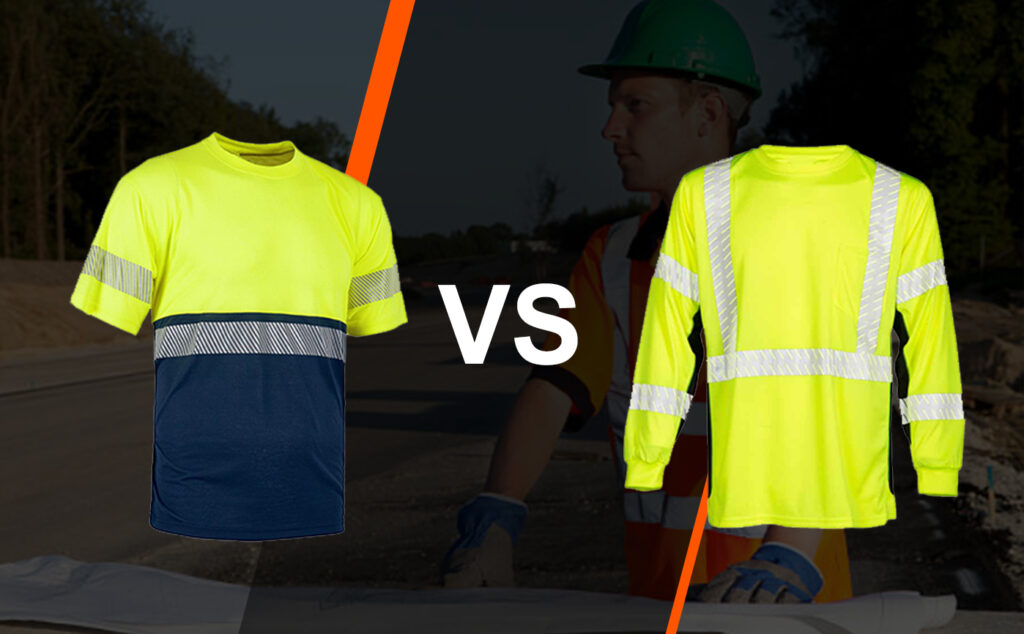
High-visibility apparel is essential in industries where workers face constant exposure to hazards, traffic, and low-light environments. From construction zones to roadside operations, protective garments help ensure that professionals remain visible to both colleagues and oncoming vehicles. For workers who require extended sizing, finding big and tall hi vis shirts isn’t just about comfort—it plays a crucial role in maximizing safety. When visibility garments fit properly, they deliver the performance required to reduce the risk of accidents and keep crews protected throughout long shifts.
Proper fit is often overlooked, but it directly impacts the effectiveness of high-visibility gear. Clothing that is too tight may stretch and distort reflective tape, reducing visibility. On the other hand, garments that are too loose can snag on equipment or cause reflective areas to shift out of compliance. When workers wear hi vis shirts designed specifically for big and tall body types, they benefit from optimized comfort and reliable visibility, allowing them to move more freely and confidently.
The Critical Role of Fit in High-Visibility Apparel
Hi vis apparel is engineered with precise placement of reflective tape and fluorescent coloring. These elements are positioned to maximize visibility from all angles. When a garment doesn’t fit correctly, the safety features may not align as intended. This can significantly diminish visibility during nighttime operations or in environments where lighting conditions change rapidly.
For big and tall workers, this issue becomes even more important. Standard sizes often fail to account for longer torsos, broader shoulders, or extended sleeve lengths. As a result, reflective panels may not cover the correct areas of the body, making workers less visible to heavy machinery operators or motorists on the road.
Challenges Big and Tall Workers Face with Standard Safety Gear
Many industries rely on high-visibility apparel, yet big and tall workers frequently struggle to find sizes that offer both comfort and compliance. One of the biggest challenges is that standard hi vis shirts often run shorter, causing them to ride up during physical tasks. This exposes areas of the torso, reducing reflective coverage and creating a potential hazard.
Another issue is mobility. Workers in construction, utilities, and transportation need to stretch, bend, lift, and navigate uneven terrain. If their shirts are too tight across the chest or shoulders, mobility becomes restricted, increasing the risk of strain or injury. Likewise, overly loose clothing can catch on rebar, door handles, or moving equipment—posing an entirely different safety risk.
Extreme weather further compounds these problems. Workers need breathable fabrics in hot climates and proper layering options in cold environments. Fit issues tend to amplify discomfort, which can affect focus and productivity.
How Poor-Fitting Hi Vis Shirts Create Safety Risks
Ill-fitting safety gear is more than an inconvenience; it can create real hazards on the job. When reflective tape shifts out of its intended positions, the worker’s silhouette becomes harder to identify in darkness or fog. This makes it more difficult for heavy equipment operators and vehicle drivers to see the person in time to avoid an accident.
Poorly fitting shirts may also impair a worker’s ability to perform tasks safely. Restricted movement can slow reaction time, reduce flexibility, and lead employees to adjust or tug at their shirts while working—distracting them from the task at hand. Over time, these small distractions can translate into serious incidents.
Compliance is another concern. ANSI standards specify the exact placement and coverage of reflective material. If a shirt fits incorrectly, it may not meet required safety regulations even if the label suggests otherwise.
Benefits of Properly Sized Big and Tall Hi Vis Shirts
When workers wear high-visibility apparel tailored to their body type, the difference is significant. Properly sized big and tall hi vis shirts deliver consistent visibility across all lighting conditions. They stay in place, ensuring reflective tape remains aligned and effective.
Comfort is another important benefit. A well-fitted shirt reduces fatigue by allowing natural movement. Workers can bend, twist, and stretch without discomfort, which helps maintain productivity and reduces the chances of strain.
Workers also experience enhanced morale and confidence when their gear fits correctly. Feeling comfortable and properly equipped contributes to a safer mindset and encourages a culture of safety within the team.
What to Look for in Quality Big and Tall Hi Vis Shirts
When selecting high-visibility shirts for big and tall workers, employers and individuals should prioritize quality construction and ANSI compliance. Look for features such as:
- Extended torso lengths to prevent shirts from riding up
- Wider shoulder designs
- Moisture-wicking, breathable fabrics
- Reinforced stitching for durability
- Reflective tape positioned to meet safety standards
Choosing garments designed specifically for extended sizes ensures both comfort and safety without compromise.
Supporting Big and Tall Workers with Proper Safety Gear
Every member of a workforce deserves access to protective gear that fits properly and keeps them safe. Investing in inclusive sizing helps employers meet compliance requirements, enhance safety outcomes, and support workers who often struggle to find gear that accommodates their needs. For companies striving to build a safe, productive jobsite, sizing inclusivity is not optional—it’s essential.
To explore high-quality safety apparel designed for all body types, visit National Safety Gear, where workers can find dependable, comfortable options built to support them on every shift.
