


Cannabis is one of the most widely used psychoactive substances in the world, and its effects on the human brain and nervous system are complex. While some people use it for medical or recreational purposes, its active compounds interact directly with core neurological systems that control mood, memory, coordination, and perception.
Understanding how cannabis works in the body requires looking at both short-term effects and long-term changes in brain function.
The Endocannabinoid System: The Brain’s Internal Control Network
The human body already has a built-in regulatory system called the endocannabinoid system (ECS). This system helps maintain balance in processes such as mood, sleep, appetite, pain, and memory.
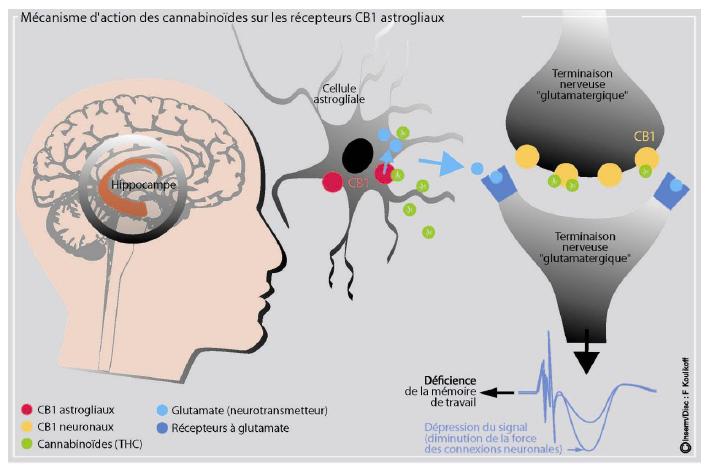
Cannabis contains compounds called cannabinoids, especially THC (tetrahydrocannabinol) and CBD (cannabidiol). These interact with ECS receptors in the brain and nervous system:
- THC binds strongly to CB1 receptors in the brain
- This alters normal signaling between neurons
- It produces the “high” associated with cannabis use
Because THC mimics natural neurotransmitters, it temporarily disrupts normal communication in the nervous system.
How Cannabis Affects Brain Function
When THC enters the brain, it primarily impacts areas responsible for higher cognitive function:
Memory and Learning
The hippocampus, which plays a key role in forming new memories, is highly sensitive to THC. This can result in:
- Short-term memory impairment
- Difficulty concentrating
- Reduced learning efficiency during intoxication
Mood and Emotion
Cannabis affects the amygdala and reward pathways, which can:
- Produce relaxation or euphoria
- Increase anxiety or paranoia in some users
- Alter emotional sensitivity
Coordination and Movement
The cerebellum controls balance and motor coordination. THC interference here can cause:
- Slower reaction times
- Reduced coordination
- Impaired judgment in physical tasks
Effects on the Nervous System
The nervous system relies on precise electrical and chemical signaling. Cannabis disrupts this balance by modifying neurotransmitter release.
Key effects include:
- Altered dopamine activity (linked to pleasure and reward)
- Changes in GABA and glutamate signaling (affecting calmness and excitation)
- Temporary disruption of neural communication speed
These changes explain why users may feel slowed thinking, altered perception of time, or sensory enhancement.
Short-Term vs Long-Term Effects
Short-Term Effects
- Euphoria or relaxation
- Altered sensory perception
- Increased heart rate
- Impaired short-term memory
- Reduced coordination
Long-Term Effects (Frequent Use)
- Potential cognitive decline in heavy, long-term users
- Reduced attention span
- Possible dependency in some individuals
- Changes in brain development if used during adolescence
Impact on the Developing Brain
One of the most important concerns is cannabis use during adolescence. The brain continues developing until the mid-20s, especially areas responsible for decision-making and impulse control.
Regular exposure to THC during this period may:
- Affect neural connectivity
- Reduce cognitive performance in adulthood
- Increase vulnerability to mental health challenges in some individuals
Cannabis and Mental Health Considerations
Research suggests a mixed relationship between cannabis use and mental health. While some individuals report relief from anxiety or chronic pain, others may experience:
- Increased anxiety
- Risk of psychosis in genetically vulnerable individuals
- Mood instability with heavy use
The effect often depends on dosage, frequency, potency, and individual biology.
Why Understanding Cannabis Effects Matters
Cannabis is not a simple substance—it interacts with one of the most important regulatory systems in the body. Its effects can range from therapeutic benefits in controlled medical settings to cognitive and neurological disruptions when misused.
Even common online curiosity phrases like “where can i buy weed plants” reflect how widespread interest has become, but understanding the science behind its effects is more important than focusing on acquisition. Education helps individuals make informed decisions based on biology rather than assumptions or trends.
Conclusion
Cannabis affects the brain and nervous system by interacting with the endocannabinoid system, altering neurotransmitter activity, and temporarily changing how neurons communicate. While it can produce relaxation and therapeutic effects in some contexts, it also carries risks—especially for memory, coordination, and developing brains.
A scientific understanding of these effects is essential for making informed choices about its use and impact on health.
