


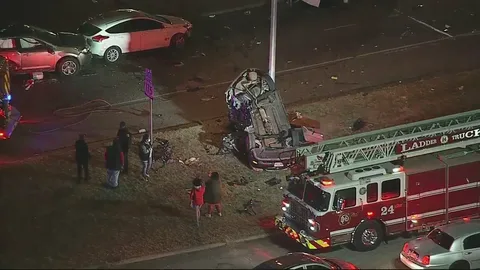
Dallas highways are built for volume and speed. When traffic moves smoothly, the system works. But when something goes wrong—sudden braking, a stalled vehicle, distracted driving, or debris in the roadway—the result can be a chain reaction involving multiple cars.
Multi-vehicle accidents are among the most legally complex crashes in Texas. Unlike two-car collisions, these cases often involve shared fault arguments, layered insurance policies, and conflicting narratives. For injured victims, understanding how liability is determined is critical. A skilled Dallas Car Accident Attorney can help untangle responsibility and protect your right to fair compensation.
Why Chain-Reaction Crashes Are Common in Dallas
Dallas drivers regularly navigate:
- High-speed interstate corridors like I-35E and I-635
- Tight merging lanes near interchanges
- Sudden slowdowns during rush hour
- Ongoing construction zones
- Aggressive lane changes
When one driver brakes abruptly, the vehicles behind may not have enough reaction time to stop—especially at freeway speeds. In heavy traffic, that single impact can trigger a domino effect involving several cars.
Determining Who Is At Fault
In multi-vehicle crashes, fault is rarely obvious. Key questions often include:
- Which vehicle caused the initial collision?
- Did following drivers maintain safe distances?
- Was anyone speeding or distracted?
- Did weather or road conditions contribute?
Texas law requires drivers to maintain a safe following distance. However, the first driver to brake is not automatically at fault. Investigators must analyze the sequence of impacts carefully.
The Challenge of Conflicting Statements
After a chain-reaction accident, drivers may give very different accounts:
- “I was pushed into the car in front of me.”
- “The first driver stopped suddenly.”
- “The vehicle behind me hit me first.”
Without strong physical evidence, insurers may attempt to divide blame among multiple drivers.
Because Texas follows a modified comparative negligence rule, even partial fault can reduce compensation. If a driver is found more than 50% responsible, they cannot recover damages.
How Evidence Shapes Multi-Vehicle Claims
These cases depend heavily on detailed evidence collection, including:
Vehicle Damage Patterns
The location and severity of impact points help determine the order of collisions.
Black Box Data
Event Data Recorders may reveal speed, braking, and throttle activity before impact.
Skid Marks and Debris
Roadway markings can clarify whether drivers attempted to brake in time.
Dashcams and Traffic Cameras
Video footage may capture the initial cause of the chain reaction.
Early preservation of this evidence is crucial, especially on busy Dallas roadways where accident scenes are cleared quickly.
Insurance Complications in Multi-Car Accidents
Chain-reaction crashes may involve:
- Multiple insurance carriers
- Overlapping liability coverage
- Policy limit disputes
- Underinsured drivers
If several injured parties file claims against one at-fault driver, policy limits may be insufficient to cover all damages. This can create complex negotiations over how compensation is distributed.
In some cases, victims may need to explore their own uninsured or underinsured motorist coverage.
Common Injuries in Multi-Vehicle Collisions
Because these crashes often involve repeated impacts, injuries can be severe. Victims may experience:
- Whiplash and soft tissue injuries
- Head trauma or concussions
- Spinal injuries
- Broken bones
- Internal injuries
- Psychological trauma
The force of being struck from behind and then pushed forward compounds the physical stress on the body.
Commercial Vehicles Add Another Layer
If a commercial truck or company vehicle is involved, additional factors may apply:
- Corporate liability
- Driver employment status
- Maintenance records
- Federal safety regulations
Commercial insurers often conduct rapid investigations to limit exposure. Quick action is essential to preserve evidence and prevent important records from being lost.
Why Quick Settlements Can Be Risky
In multi-vehicle crashes, liability may not be fully established immediately. Accepting an early settlement offer before fault is clearly determined can result in:
- Reduced compensation
- Uncovered medical expenses
- Missed claims against additional responsible parties
A thorough investigation ensures that all liable drivers are properly identified.
Steps to Take After a Multi-Vehicle Crash
If you are involved in a chain-reaction accident in Dallas:
- Seek medical attention immediately.
- Contact law enforcement and obtain a report number.
- Take photos of all vehicles involved.
- Gather contact and insurance information from every driver.
- Avoid making fault admissions at the scene.
- Keep records of medical treatment and missed work.
These steps can significantly strengthen your claim.
The Importance of Strategic Legal Guidance
Multi-vehicle accidents require careful analysis and coordination. Determining the order of impacts, identifying responsible parties, and navigating multiple insurance carriers demands experience and technical understanding.
A knowledgeable Dallas Car Accident Attorney can investigate the sequence of events, coordinate expert evaluations when necessary, and pursue compensation from all liable parties.
Final Thoughts
Chain-reaction accidents in Dallas often appear chaotic, but liability is rarely random. Behind every multi-vehicle crash is a sequence of actions that can be analyzed and clarified through evidence.
Because Texas law reduces compensation based on shared fault, building a strong, well-documented claim is essential. With careful investigation and informed legal advocacy, injured victims can pursue fair recovery—even in the most complex multi-car collisions.
